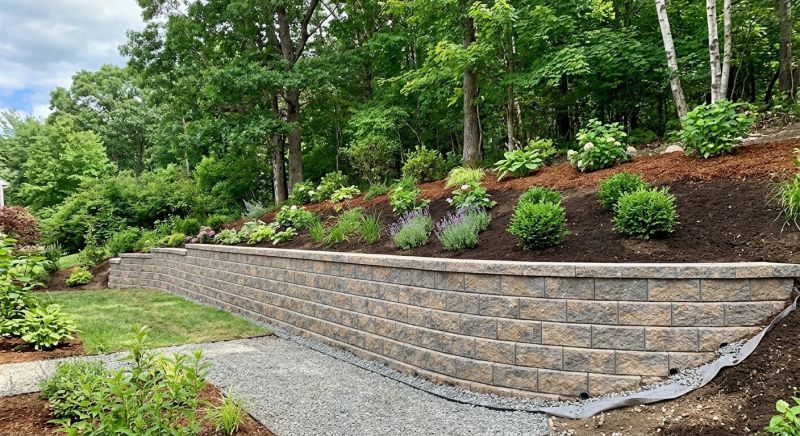
Retaining Wall Installation in Clermont, FL
Retaining wall installation services involve constructing barriers designed to hold back soil and prevent erosion on residential properties. These structures are commonly used to create level outdoor spaces, manage slopes, or add aesthetic appeal to landscaping projects. Property owners often request retaining walls for projects such as garden terracing, hillside stabilization, or to create functional outdoor living areas. Before requesting installation, it’s helpful to understand the different materials available, such as concrete, stone, or timber, as well as the specific needs of the site, including soil type, drainage requirements, and load-bearing considerations.
Homeowners considering retaining wall installation should evaluate the purpose of the wall, whether for structural support, decorative purposes, or both. It’s important to assess the size and height of the intended wall, as these factors influence the design and materials used. Additionally, understanding local regulations or permits that may be required for construction can help ensure the project proceeds smoothly. Proper planning and material selection are key to achieving a durable, functional, and visually appealing retaining wall suited to the property’s landscape and specific needs.
Many property owners in Clermont, FL look into Retaining Wall Installation for repairs, replacements, upgrades, and appearance-related improvements.
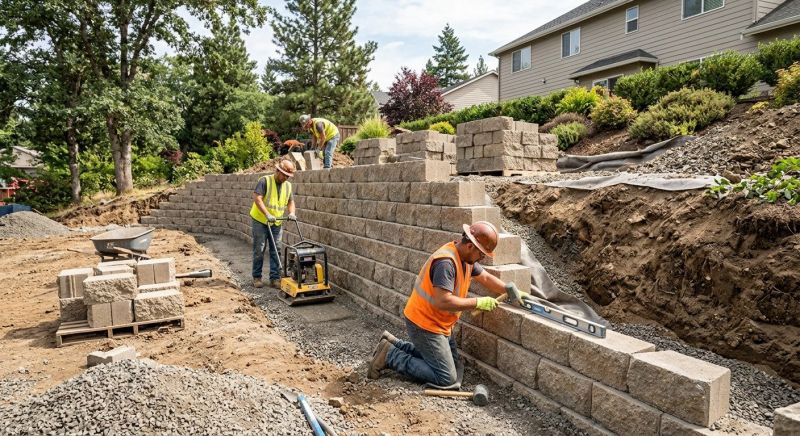
Types Of Retaining Walls
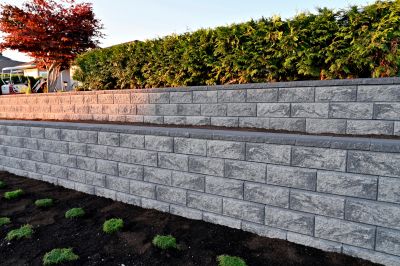
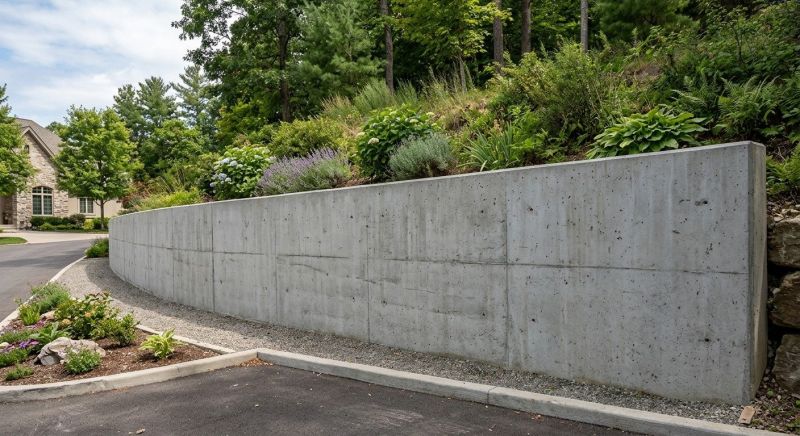
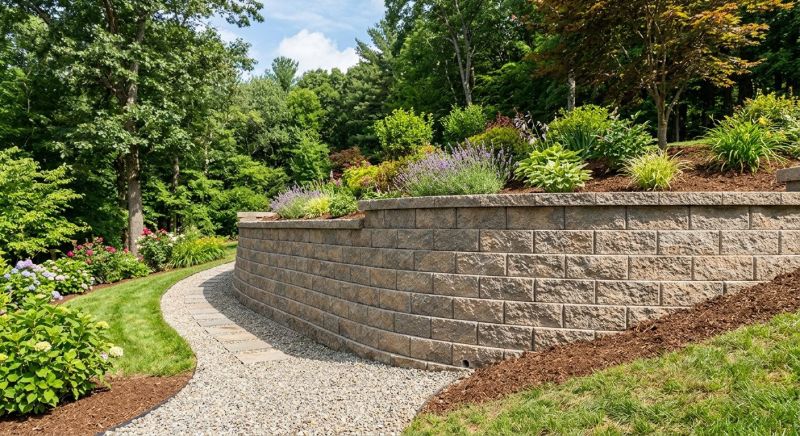
Various materials like concrete, stone, and timber are used to create durable retaining walls suited for different landscape needs.
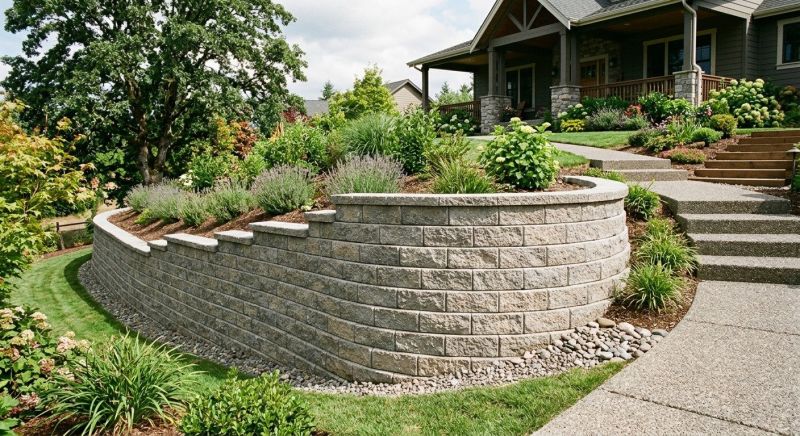
Benefits Of Retaining Walls
Retaining walls help prevent soil erosion, improve property stability, and enhance landscape aesthetics in clermont and nearby areas.
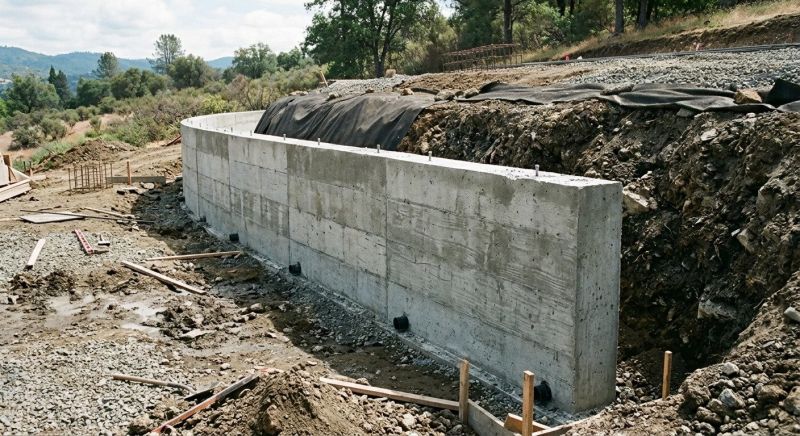
Design Considerations
Proper design and construction are essential for ensuring the longevity and effectiveness of retaining walls on residential properties.
Retaining Wall Installation in Clermont, FL
Retaining wall installation services involve constructing barriers designed to hold back soil and prevent erosion on residential properties. These structures are commonly used to create level outdoor spaces, manage slopes, or add aesthetic appeal to landscaping projects. Property owners often request retaining walls for projects such as garden terracing, hillside stabilization, or to create functional outdoor living areas. Before requesting installation, it’s helpful to understand the different materials available, such as concrete, stone, or timber, as well as the specific needs of the site, including soil type, drainage requirements, and load-bearing considerations.
Homeowners considering retaining wall installation should evaluate the purpose of the wall, whether for structural support, decorative purposes, or both. It’s important to assess the size and height of the intended wall, as these factors influence the design and materials used. Additionally, understanding local regulations or permits that may be required for construction can help ensure the project proceeds smoothly. Proper planning and material selection are key to achieving a durable, functional, and visually appealing retaining wall suited to the property’s landscape and specific needs.
Many property owners in Clermont, FL look into Retaining Wall Installation for repairs, replacements, upgrades, and appearance-related improvements.
Common Retaining Wall Installation Jobs
Garden retaining walls - help define planting areas and prevent soil erosion in landscaped yards.
Terrace or patio walls - create level outdoor spaces for seating and entertainment.
Slope stabilization - provide support for uneven terrain to prevent landslides and shifting soil.
Property boundary walls - establish clear separation and privacy between neighboring properties.
Driveway or parking area walls - support and contain gravel or paved surfaces for vehicles.
Drainage and runoff solutions - direct water flow away from foundations and prevent pooling.
Retaining Wall Installation Questions
What is a retaining wall? A retaining wall is a structure built to hold back soil and prevent erosion on sloped land.
What types of materials are used for retaining walls? Common materials include concrete, stone, brick, and timber, depending on the project’s needs and style.
What are common reasons to install a retaining wall? Retaining walls are often used to create level areas, prevent soil erosion, or improve landscape appearance.
How does a retaining wall support property stability? It provides structural support to soil, reducing the risk of landslides and shifting ground on sloped properties.
Request Retaining Wall Installation in Clermont, FL
Use the quote form on this page to share the basics of your project and request more information for the type of work you need.