Get Block Retaining Wall Installation in Sonoma, CA
Block retaining wall installation services help property owners in Sonoma, CA, and nearby areas address soil erosion, stabilize slopes, and create functional or aesthetic landscape features.
Block retaining wall installation services are a practical solution for property owners in Sonoma, CA seeking to enhance the stability and usability of their outdoor spaces. These walls help prevent soil erosion, manage uneven terrain, and create level areas for landscaping, gardening, or outdoor living. By choosing professional installation, property owners can ensure that the walls are built to withstand the local climate and soil conditions, providing a reliable foundation that minimizes future issues and reduces ongoing maintenance needs.
Beyond functionality, block retaining walls contribute to the overall curb appeal of a property. They offer a clean, structured appearance that can complement various landscape designs and architectural styles. Durable and long-lasting, properly installed walls can maintain their aesthetic appeal over time, adding value to the property while requiring minimal upkeep. Property owners often consider these installations as an investment that enhances safety, improves outdoor usability, and elevates the visual appeal of their homes.
- Residential landscaping projects - block retaining walls can provide structural support and aesthetic appeal for yard improvements.
- Erosion control solutions - properties prone to soil erosion may require durable retaining walls to stabilize the landscape.
- Commercial property enhancements - businesses seeking to create level outdoor spaces or terraced areas often utilize block retaining walls.
- Hillside or sloped terrain modifications - properties on uneven land may need retaining walls to create usable flat areas.
- Garden and patio design - adding retaining walls can define garden beds or create terraces for outdoor living spaces.
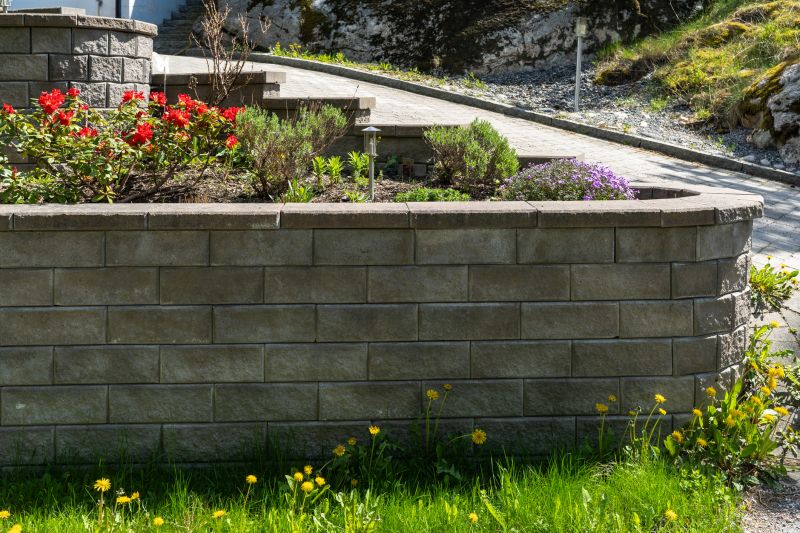
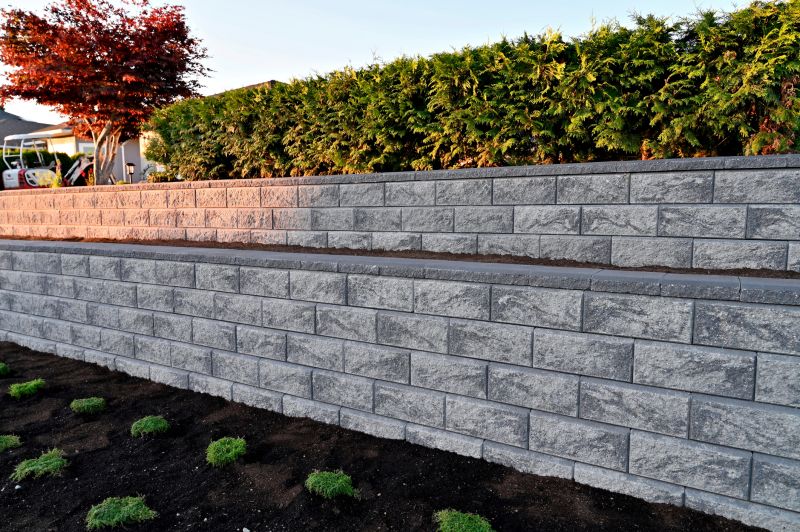
Block retaining wall installation services involve constructing structured barriers using interlocking blocks to hold back soil and prevent erosion. These services typically include site assessment, design consultation, and the precise placement of blocks to ensure stability and durability. Contractors may also incorporate drainage solutions and reinforcement techniques to enhance the wall’s longevity and performance. The process often requires careful planning to account for slope, soil type, and property layout, ensuring the finished wall functions effectively within the landscape.
This service addresses common landscape and property issues such as soil erosion, uneven terrain, and the need for additional usable outdoor space. A properly installed block retaining wall can prevent soil from washing away during heavy rains, reduce landscape shifting, and create level areas for patios, gardens, or walkways. It also helps define property boundaries and adds aesthetic appeal. By providing structural support, these walls can mitigate damage to existing structures and landscaping, making them a practical solution for both functional and decorative purposes.
Properties that typically utilize block retaining wall installation include residential homes, especially those with sloped yards or uneven terrain. Commercial properties with landscaping needs or outdoor storage areas may also benefit from these structures. In suburban neighborhoods, they are often used to create terraced gardens or seating areas, while in more rural settings, they help manage land contours and prevent erosion on larger plots. The versatility of block retaining walls makes them suitable for a variety of property types and landscape designs.
Professional installation of block retaining walls ensures the structure is both stable and visually appealing. Local service providers can evaluate the specific needs of a property, recommend appropriate materials, and execute the project with attention to detail. Properly installed walls can withstand the elements and soil pressure over time, providing a reliable solution for property enhancement and land management. Contacting experienced contractors can help property owners achieve a functional and attractive landscape feature tailored to their specific site conditions.
The overview below groups typical Block Retaining Wall Installation projects into broad ranges so you can see how smaller, mid-sized, and larger jobs often compare in Sonoma, CA.
In many markets, a large share of routine jobs stays in the lower and middle ranges, while only a smaller percentage of projects moves into the highest bands when the work is more complex or site conditions are harder than average.
Material Costs - The cost of materials for block retaining walls typically ranges from $15 to $50 per square foot, depending on the type of blocks used. For example, standard concrete blocks may cost around $20 per square foot, while decorative options can be higher. Material choice significantly impacts the overall project budget.
Labor Expenses - Labor costs for installing a block retaining wall generally fall between $25 and $60 per hour per worker. Total labor charges depend on the wall's size and complexity, with larger or more intricate projects requiring more hours. Expect labor to comprise a substantial portion of the total cost.
Project Size & Complexity - The total cost varies with the project's size, typically ranging from $1,000 to over $10,000 for more extensive installations. Smaller walls under 50 square feet tend to be on the lower end, while larger or reinforced structures increase costs. Complexity factors include soil conditions and drainage needs.
Additional Costs - Extra expenses such as excavation, backfilling, and drainage solutions can add $200 to $1,500 or more to the overall cost. These factors are essential for ensuring the durability and stability of the retaining wall. Local pros can provide detailed estimates based on site-specific conditions.
Actual totals will depend on details like access to the work area, the scope of the project, and the materials selected, so use these as general starting points rather than exact figures.
Commercial Projects - Local contractors often install block retaining walls for commercial properties to enhance landscape stability and aesthetics.
Residential Landscaping - Homeowners may seek professional installation of retaining walls to create level areas, garden beds, or decorative features in their yards.
Erosion Control - Pros can design and install retaining walls to prevent soil erosion on slopes and uneven terrain around residential or commercial sites.
Slope Stabilization - Local specialists provide solutions to stabilize steep or unstable slopes, ensuring safety and longevity of the landscape.
Garden and Yard Projects - Retaining walls are used to define garden spaces or terraces, adding structure and visual appeal to outdoor areas.
Property Expansion - Contractors can assist with constructing retaining walls that facilitate property expansion or level changes in the landscape.
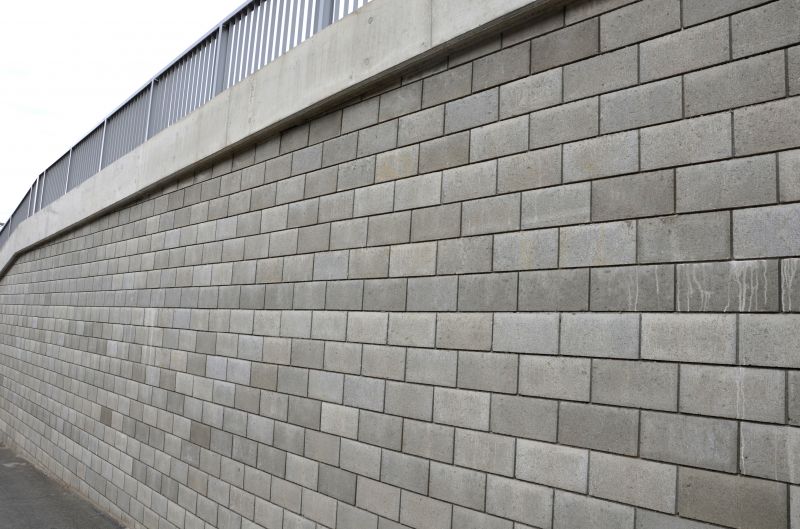
When evaluating local professionals for block retaining wall installation, it’s important to consider their level of experience with similar projects. Homeowners should look for contractors who have a proven track record of completing retaining wall installations, ideally with references that can verify their work quality. Clear communication about the project scope, materials, and timeline helps ensure expectations are aligned, reducing the likelihood of misunderstandings or surprises during the process.
Reputable references can provide insight into a contractor’s reliability and craftsmanship. Homeowners are encouraged to ask for examples of completed projects and speak with previous clients if possible. This can help gauge the contractor’s ability to deliver results that meet the homeowner’s needs and standards. Additionally, understanding how the contractor manages project timelines and handles unforeseen issues can be valuable in selecting a dependable service provider.
Effective communication is essential when working with local pros for retaining wall installation. Homeowners should seek professionals who are responsive and willing to discuss project details thoroughly. Transparent communication about the process, materials, and any potential challenges can help foster a collaborative relationship. Since this introduction is not a contractor, it’s recommended to contact multiple local providers to compare their experience, references, and communication style to find the best match for the project.
Property owners in Sonoma, CA use Block Retaining Wall Installation services for practical projects around their homes and businesses. The sections below highlight everyday jobs and straightforward project options.
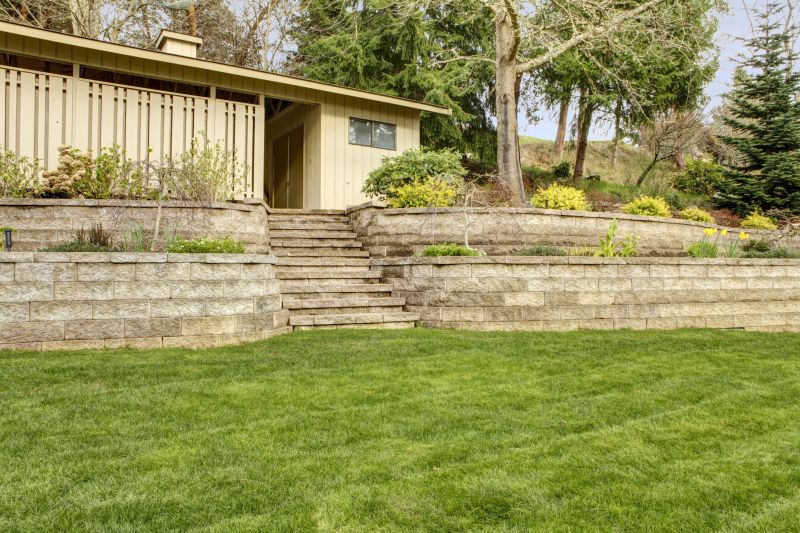
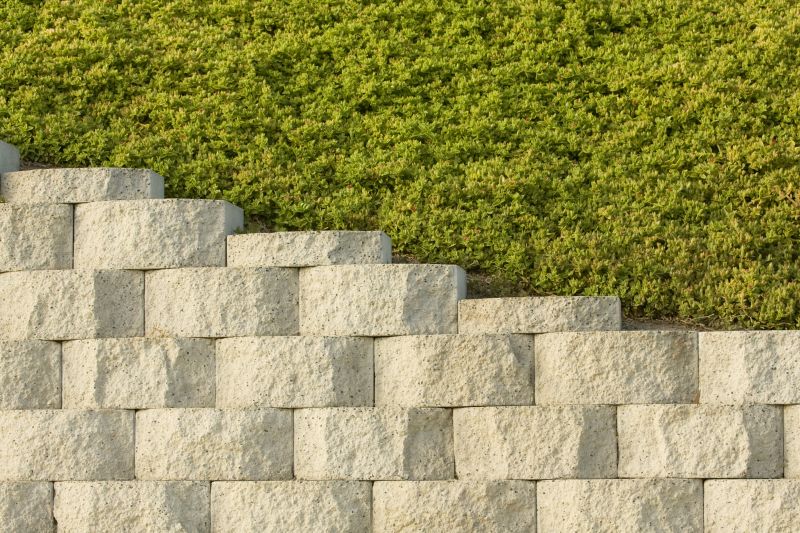
Block retaining wall installation services are commonly sought by property owners in Sonoma, CA, who need to manage uneven terrain or prevent soil erosion on their properties. These projects often arise when homeowners want to create level outdoor spaces, such as patios or garden beds, or when they need to stabilize slopes to improve safety and accessibility. Local contractors can provide solutions that enhance the stability and appearance of yards, especially in hilly or hillside areas typical of the region.
Additionally, property owners may look for retaining wall installation when they are planning landscaping upgrades or need to address drainage issues. Properly installed walls can help direct water runoff away from foundations and prevent damage caused by shifting soil. Whether for aesthetic improvements or functional reasons, local service providers can assist in designing and building retaining walls that meet the specific needs of homes and properties in Sonoma, CA.
What are block retaining walls used for? Block retaining walls are designed to hold back soil and prevent erosion, often used for landscaping, terracing, or creating level areas on sloped properties.
How long does it typically take to install a block retaining wall? Installation times vary based on the size and complexity of the project, but a professional contractor can provide an estimated timeline during the consultation.
What materials are commonly used for block retaining walls? Common materials include concrete blocks, segmental blocks, and natural stone, selected based on durability and aesthetic preferences.
Are permits usually required for installing a retaining wall? Permit requirements depend on local regulations; a local contractor can advise on whether permits are needed for the project area.
How can I ensure the stability of my retaining wall? Proper design, adequate drainage, and professional installation are key factors that contribute to the stability of a block retaining wall.
Design Considerations for Block Retaining Walls - Local pros can help evaluate site conditions and recommend suitable block types and layouts to meet project needs.
Material Selection for Retaining Walls - Professionals can advise on the best block materials to ensure durability and aesthetic appeal for your landscape.
Installation Process Overview - Experienced contractors follow proper techniques to ensure the stability and longevity of your retaining wall.
Permitting and Regulations - Local service providers can assist in understanding and complying with any necessary building codes or permits.
Considering Block Retaining Wall Installation for a property in Sonoma, CA? The sections above highlight common project types, practical options, and details that often shape the scope of work.
When you are ready, use the quote form to share a few details about your project. Local pros can review the basics and respond with options that match what you have in mind.