Get Retention Wall Construction
Retaining wall construction services help property owners stabilize slopes, prevent erosion, and create level areas for landscaping or construction projects by connecting with experienced local contractors.
Building a retaining wall is an important step for property owners looking to enhance landscape stability, prevent soil erosion, or manage uneven terrain. Proper planning and construction can make a significant difference in maintaining the safety and appearance of outdoor spaces. If you're considering this type of project, exploring your options among local contractors can help ensure you find a solution that suits your specific needs and property conditions.
Property owners in the area often seek retention wall construction to improve functionality and curb appeal, especially when dealing with challenging terrain or drainage concerns. Comparing local service providers allows you to evaluate different approaches and find experienced contractors capable of handling the scope of your project. Keep reading to discover how connecting with qualified local experts can support your planning process.
- Retaining Wall Installation - needed when property owners want to prevent soil erosion or manage changes in landscape elevation.
- Retaining Wall Repair - required when existing walls show signs of cracking, leaning, or other structural issues.
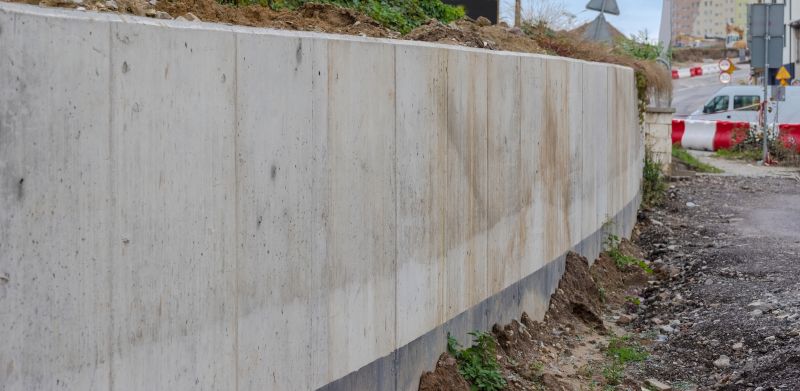
- Concrete Retaining Walls - suitable for projects requiring durable, long-lasting barriers in residential or commercial settings.
- Stone or Masonry Walls - ideal for enhancing aesthetic appeal while providing functional support on landscaped properties.
- Custom Retaining Wall Design - sought after when unique landscape features or specific site conditions call for tailored solutions.
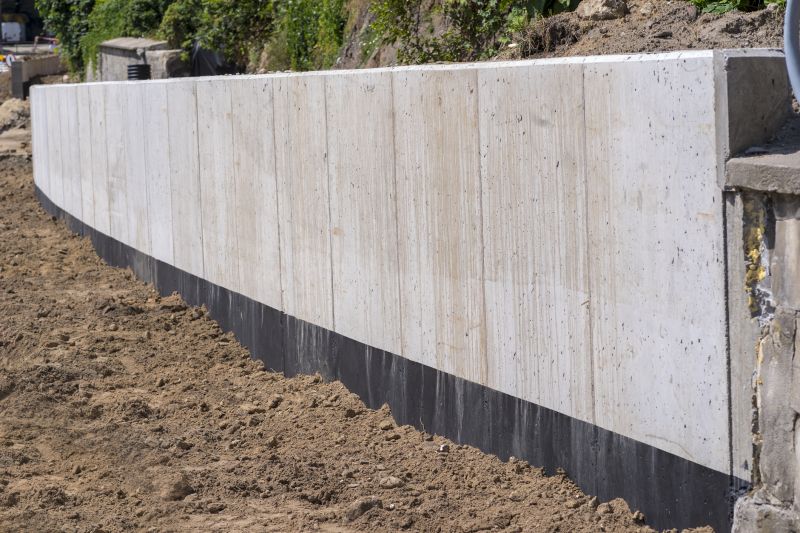
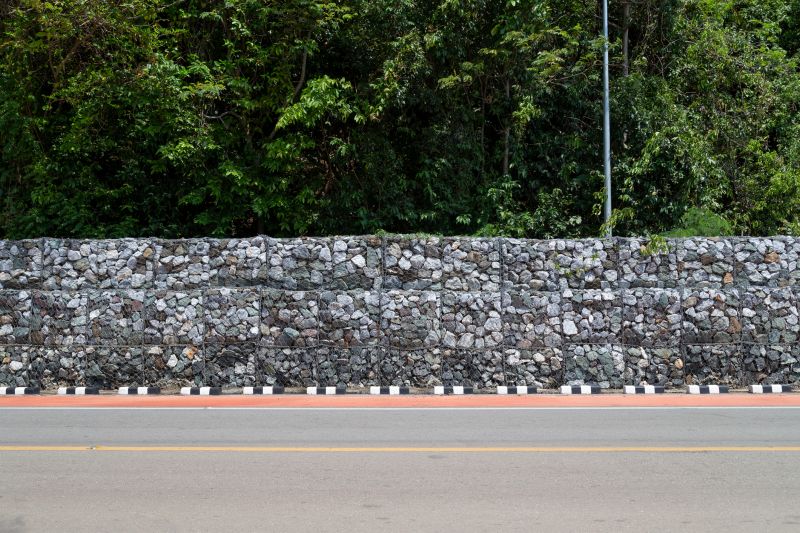
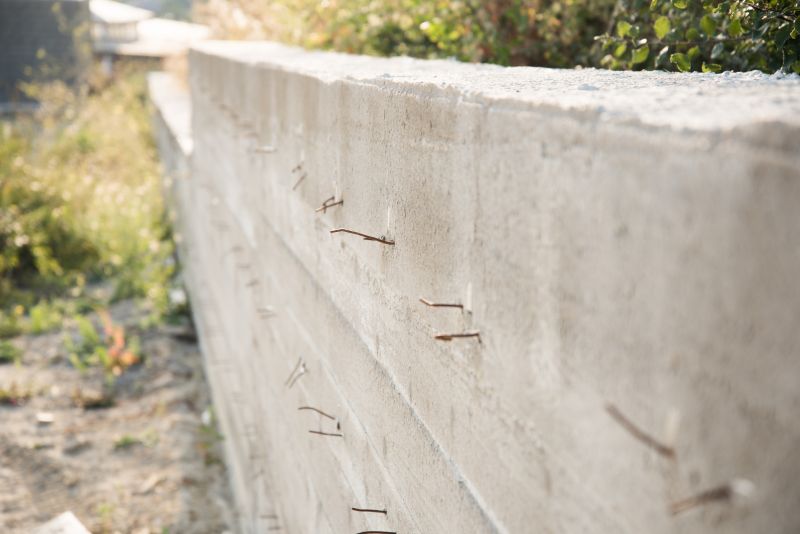
Retention wall construction involves building sturdy barriers designed to hold back soil and prevent erosion on sloped or uneven properties. These walls are typically made from materials like concrete, stone, or timber, and are carefully engineered to provide long-lasting support. Homeowners may need retention walls when they want to create level areas in their yard, prevent land from shifting, or improve the stability of landscaping features. Skilled contractors assess the landscape, soil type, and property layout to design and install a retention wall that effectively manages soil pressure and enhances the property's overall structure.
This service addresses common problems such as soil erosion, which can damage landscaping and foundations, as well as uneven terrain that makes outdoor spaces difficult to use. Without proper support, slopes can shift over time, leading to safety hazards or property damage. Retention walls help contain soil, reduce the risk of landslides, and prevent water runoff from washing away landscaping or undermining structures. For homeowners experiencing issues with their yard’s stability or looking to create functional outdoor spaces on hilly or sloped land, retention wall construction offers a practical solution to these challenges.
Properties that frequently utilize retention wall construction include residential yards with uneven terrain, hillside homes, and properties undergoing landscaping or renovation projects. These walls are also common in commercial settings, such as retail centers or industrial sites, where land stability is crucial. Homeowners with gardens, patios, or outdoor living areas on sloped ground often turn to local contractors to install retention walls that improve safety and usability. Additionally, properties located in areas prone to heavy rainfall or runoff may benefit from these structures to manage water flow effectively and protect the landscape.
When considering retention wall construction, homeowners should evaluate their property’s terrain and drainage needs. This service is particularly useful for those looking to level a backyard, create terraced gardens, or secure a slope that has begun to shift or erode. Skilled local contractors can provide guidance on suitable materials and design options tailored to the specific conditions of each property. Properly installed retention walls not only improve the stability and appearance of outdoor spaces but also help prevent future problems related to soil movement and erosion, making them a valuable addition for many homeowners with challenging landscapes.
The overview below groups typical Retention Wall Construction projects into broad ranges so you can see how smaller, mid-sized, and larger jobs often compare in your area.
In many markets, a large share of routine jobs stays in the lower and middle ranges, while only a smaller percentage of projects moves into the highest bands when the work is more complex or site conditions are harder than average.
Smaller Repairs - Typical costs for minor retention wall repairs or small-scale projects generally range from $250 to $600. Many routine jobs fall within this middle range, though prices can vary based on materials and site conditions.
Mid-Size Projects - Larger, more involved projects such as partial replacements or upgrades often cost between $1,000 and $3,500. These are common for many homeowners seeking to improve existing walls with moderate complexity.
Full Wall Replacement - Complete removal and replacement of a retention wall can range from $4,000 to $8,000, depending on size and materials used. Fewer projects reach into this higher tier, which typically involves more extensive work.
Complex or Custom Installations - Highly customized or complex projects, including large-scale retaining walls with specialized features, can exceed $10,000. These are less common but handled by local service providers for specialized needs.
Actual totals will depend on details like access to the work area, the scope of the project, and the materials selected, so use these as general starting points rather than exact figures.
Landscape Gardening Projects - Landscape gardening often involves designing and installing features like terraces and retaining elements, requiring similar planning and construction skills as retention wall projects.
Soil Erosion Control Projects - These projects focus on stabilizing soil and preventing erosion, which shares techniques and materials used in the construction of retention walls.
Terrace Construction - Building terraces involves creating level areas on slopes, utilizing retaining structures that demand comparable planning and structural skills.
Foundation Wall Construction - Installing foundation walls involves excavation and structural work akin to building durable retention walls for landscape support.
Slope Stabilization Projects - Stabilizing slopes often requires constructing retaining structures to secure land, employing similar tools and planning as retention wall construction.
Hardscaping Installations - Hardscaping projects such as patios and walkways often incorporate retaining elements, requiring expertise in materials and structural planning similar to retention walls.
When evaluating service providers for retaining wall construction, it’s important to consider their experience with similar projects. Homeowners should look for local contractors who have a proven track record of completing retaining wall installations comparable in size and complexity to the desired project. Asking for examples of past work or references related to similar jobs can provide insight into their expertise and reliability. Contractors with relevant experience are more likely to understand the specific challenges involved and deliver results that meet expectations.
Clear, written expectations are essential to ensure everyone is aligned on the scope of work, materials, and project outcomes. Homeowners should seek out local pros who can provide detailed proposals or written estimates that outline the work to be done, including any specifications or considerations. Having this documentation helps prevent misunderstandings and provides a reference point throughout the project. Open communication about expectations from the outset can foster a smoother process and reduce the likelihood of surprises or disputes later on.
Reputation and communication are also key factors when comparing local service providers. Reputable contractors tend to have a history of satisfied clients and positive references, indicating their professionalism and quality of work. Good communication skills mean they are responsive to questions, transparent about processes, and willing to address concerns. This level of engagement can make the entire experience more straightforward and comfortable. While the site introduces homeowners to local options, it’s important to remember that selecting a qualified, communicative, and experienced contractor is the best way to ensure the success of a retaining wall project.
Property owners use Retention Wall Construction services for practical projects around their homes and businesses. This guide focuses on everyday jobs and straightforward project options.
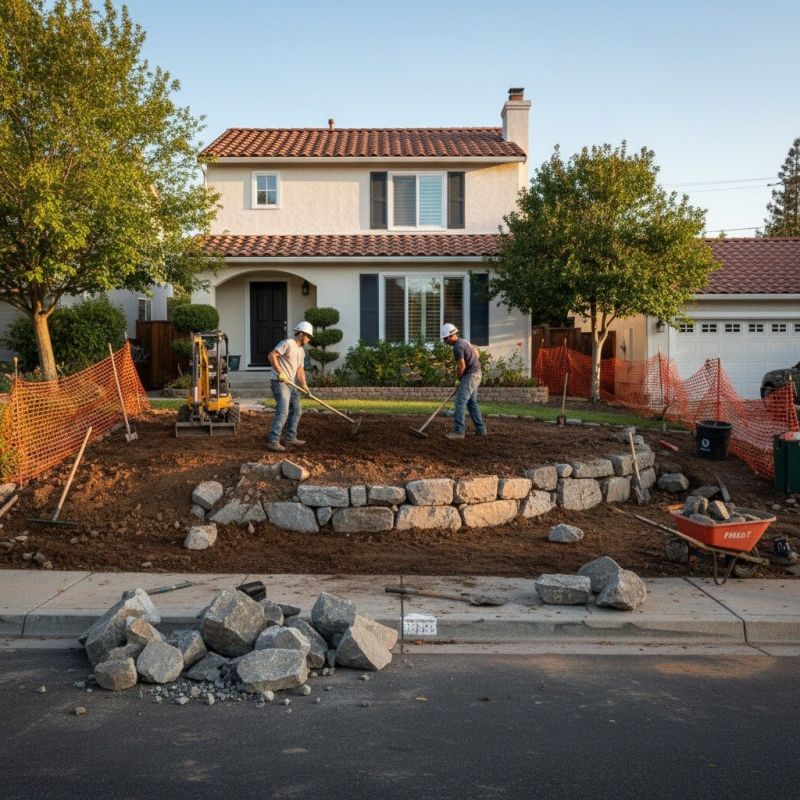
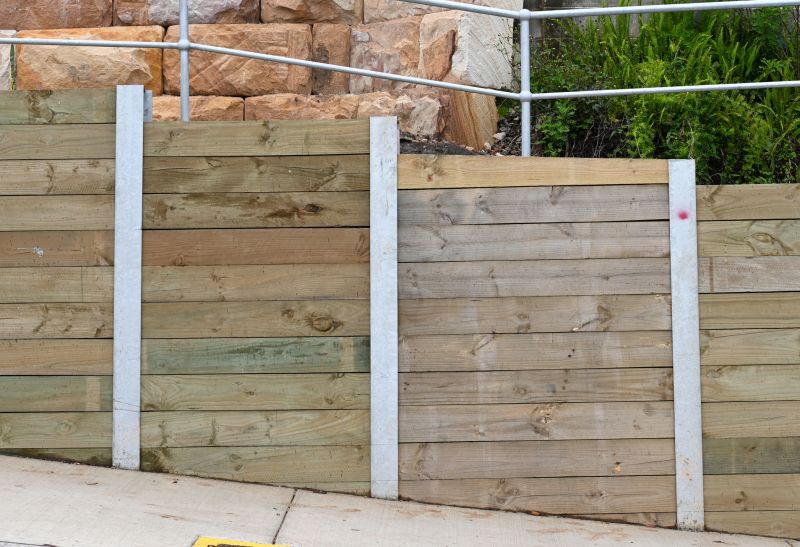
Retention wall construction is often needed when property owners want to prevent soil erosion or manage uneven land on their property. Whether it's for a garden, driveway, or yard expansion, local contractors can provide solutions that help stabilize slopes and create usable outdoor spaces. These projects are common in areas with hilly terrain or where landscaping adjustments are necessary to improve the property's appearance and functionality.
Homeowners may also seek retention wall services to enhance privacy or define property boundaries. In addition, retaining walls can serve as decorative features that add visual interest to a landscape. Local service providers are experienced in handling various materials and designs, making it easier for property owners to find options that suit their needs and complement their existing outdoor environment.
What is a retention wall used for? Retention walls are built to hold back soil and prevent erosion, often used to create level areas on sloped land or to protect structures from shifting earth.
What materials are commonly used for retention wall construction? Common materials include concrete, stone, brick, and timber, each offering different aesthetic and structural benefits depending on the project needs.
How do I know if a retention wall is suitable for my property? Local contractors can assess your land's slope, soil type, and drainage conditions to determine if a retention wall is appropriate and recommend suitable designs.
What factors influence the durability of a retention wall? The choice of materials, proper drainage, and correct installation techniques are key factors that affect how long a retention wall will last.
Can a retention wall be integrated into landscaping features? Yes, many retention walls are designed to complement landscaping, serving both functional and aesthetic purposes in outdoor spaces.
Garden and Yard Improvements - A retention wall can define garden borders and create level areas for planting or outdoor seating.
Erosion Control Solutions - Property owners can use a retention wall to prevent soil erosion on slopes or uneven terrain.
Property Boundary Marking - Retaining walls help establish clear property lines and add privacy to outdoor spaces.
Landscape Design Enhancements - Incorporating a retention wall can add visual interest and structure to landscape projects.
If you are thinking about Retention Wall Construction for a property, this guide is meant to help you understand the work, the typical project types, and how different options might fit your plans.
When you are ready, you can use the quote form on this page to share a few details about your project. From there, local pros can review the basics and respond with options that match what you have in mind.